
Latisha Ware Trauma Therapy: A Leader in Trauma Care

When it comes to trauma care, especially for families navigating the complex world of childhood trauma, attachment struggles, and big emotions, finding a guide who truly understands the journey is everything. That’s where Latisha Ware trauma therapy steps in—not just as a service, but as a beacon of hope and healing. If you’ve been holding on, surviving day by day, it’s time to lean into a path that helps you and your family thrive.
Why Trauma-Informed Care Matters for Families
Trauma isn’t just a moment in time. It’s a ripple effect that touches every part of a child’s development and family dynamics. When kids experience complex or developmental trauma, their brains, emotions, and relationships can feel like a tangled mess. It’s not about “fixing” them but about understanding their story and creating a safe space where healing can grow.
Here’s the truth: trauma-informed care is about meeting families where they are. It’s about recognizing the layers of pain, the systemic challenges, and the cultural context that shape each family’s experience. This kind of care doesn’t just soothe symptoms—it empowers families to rewrite their stories with strength and resilience.
It validates feelings: No more “just get over it” or “be strong” talk.
It builds connection: Healing happens in relationships, not isolation.
It teaches tools: Families learn how to regulate emotions and build trust.
It honors culture: Therapy that respects identity and lived experience.
If you’re tired of feeling like your family’s struggles are invisible or misunderstood, trauma-informed care is the game-changer you’ve been waiting for.
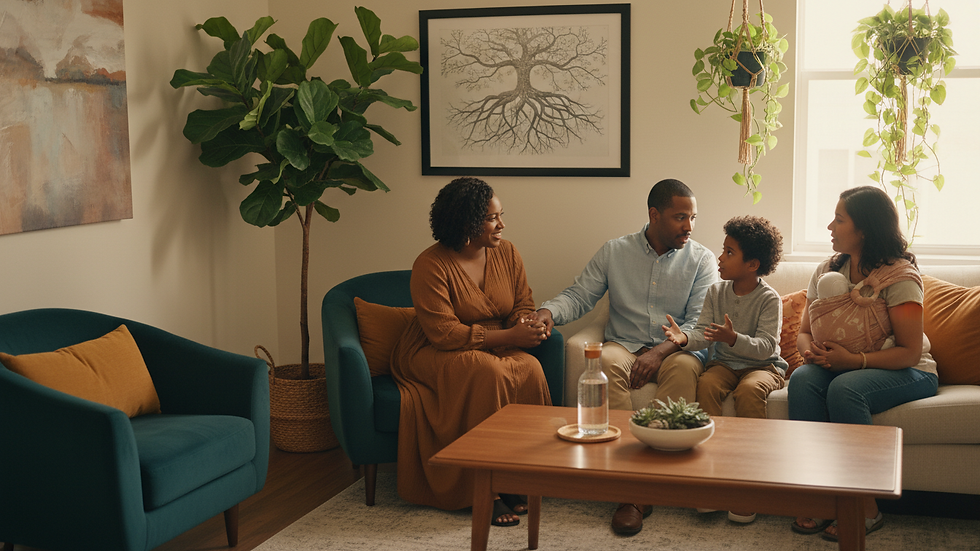
How Latisha Ware Trauma Therapy Supports Families
Now, let’s talk about what makes Latisha Ware trauma therapy stand out. Latisha Ware is not just a therapist; she’s a leader who brings warmth, wisdom, and realness to trauma care. Her approach is rooted in deep cultural understanding and a fierce commitment to helping families move from survival to connection.
Here’s what you can expect when you work with her:
A Safe, Nurturing Environment
You don’t have to put on a brave face or hide your pain. The space is designed for honesty, tears, laughter, and breakthroughs.
Practical Tools for Everyday Life
Therapy isn’t just talk—it’s about learning skills you can use at home, school, and in your community. From emotional regulation to setting healthy boundaries, these tools are life-changing.
Family-Centered Healing
Kids don’t heal in isolation. Latisha works with the whole family, helping parents and caregivers understand trauma’s impact and how to support their children with compassion.
Culturally Responsive Care
Therapy that sees you, respects your culture, and speaks your language. This is especially important for families of color who often face systemic barriers in mental health care.
Virtual Access Across Texas
No matter where you are in Texas, you can access this care. Virtual sessions make it easier to fit therapy into your busy life.
If you’ve been wondering if therapy can really make a difference, this approach shows you that healing is possible—and it’s within reach.

The Real Talk About Healing: It’s Not Always Pretty
Let’s get real for a moment. Healing from trauma isn’t a straight line. It’s messy, uncomfortable, and sometimes downright hard. You might have days where you feel like you’re taking two steps back for every step forward. And that’s okay.
Healing might look like:
Saying “no” to people who don’t get your family’s needs.
Canceling plans to protect your mental health.
Crying in the shower because the weight feels too heavy.
Setting boundaries with family members who don’t understand trauma.
These moments aren’t signs of weakness—they’re signs of strength. You’re finally listening to your nervous system and honoring your family’s needs. That’s powerful.
Remember, therapy isn’t about perfection. It’s about progress. It’s about showing up for yourself and your family, even when it’s tough.
Empowering Families to Thrive Beyond Survival
Here’s the thing: you’ve been surviving long enough. Now it’s time to thrive. The version of your family you’re becoming deserves this level of care and attention. You don’t have to settle for just getting by.
Here are some ways to start shifting from survival mode to thriving:
Create small daily rituals that bring calm and connection, like family check-ins or mindful breathing.
Celebrate every win, no matter how small. Healing is a series of tiny victories.
Lean into community. Find support groups or connect with other families who get it.
Practice radical self-care. You don’t need to earn your rest—you’re already worthy.
Set clear boundaries to protect your family’s emotional space.
Therapy with leaders like Latisha Ware helps you build these habits and mindsets. It’s about creating a foundation where your family can grow, heal, and flourish.
Taking the First Step Toward Healing
If you’re reading this and feeling a spark of hope, that’s your sign. Healing is possible, and you don’t have to do it alone. Reaching out for trauma-informed therapy is an act of courage and love.
Here’s how to get started:
Acknowledge where you are without judgment.
Reach out for support—whether it’s a therapist, a trusted friend, or a community group.
Commit to the process, knowing it won’t always be easy but it will be worth it.
Be patient with yourself and your family. Healing takes time.
Celebrate your bravery every step of the way.
Remember, the journey from trauma to healing is a path you walk with someone who truly understands. That’s why Latisha Ware is such a trusted name in trauma therapy. She’s here to walk with you, every step of the way.
You and your family deserve to move beyond survival and into a life filled with connection, joy, and peace. The healing journey starts with one brave step. Will you take it today?


Comments