
The Benefits of Child PTSD Online Therapy: Healing from Home

When a child carries the weight of trauma, it’s not just about surviving day to day. It’s about thriving—feeling safe, seen, and supported enough to grow beyond the pain. If you’re reading this, you might be wondering how to help a young one who’s been through tough stuff. Therapy can feel like a big step, but guess what? It’s a powerful one. And thanks to technology, child PTSD online therapy is opening doors for families across Texas to access healing without the usual barriers.
Let’s talk heart to heart about why online therapy for kids with PTSD isn’t just a convenience—it’s a game changer.
Why Online Therapy Makes Sense for Kids with PTSD
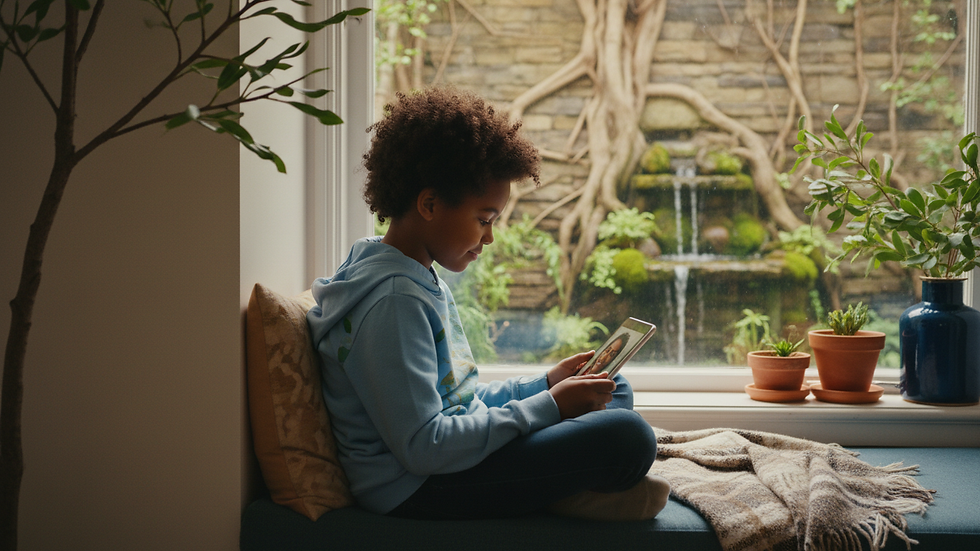
Kids who’ve experienced trauma often struggle with trust, safety, and routine. Traditional therapy settings can sometimes feel intimidating or overwhelming. Online therapy flips the script by bringing care right into the comfort of home. Imagine a space where your child can feel cozy, familiar, and in control.
Here’s why this matters:
Comfort and Safety: Being in a familiar environment helps kids open up more easily. No strange waiting rooms or long car rides.
Flexibility: Scheduling therapy around school, activities, and family life is easier. No need to rush or miss out.
Access to Specialists: Families in rural or underserved areas can connect with trauma-informed therapists who truly get it.
Consistency: When life gets hectic, online sessions can keep therapy steady and reliable.
This isn’t about replacing in-person care but expanding options so healing can happen wherever your child feels safest.

How Online Therapy Supports Healing in Real Ways
Therapy isn’t magic, but it’s a powerful tool when done right. For kids with PTSD, the goal is to help them process trauma, build coping skills, and reconnect with their feelings and bodies. Online therapy uses many of the same evidence-based approaches as in-person sessions, like play therapy, cognitive-behavioral techniques, and trauma-focused interventions.
Here’s what makes online therapy uniquely effective:
Interactive Tools: Therapists use games, drawing apps, and storytelling to engage kids in ways that feel natural and fun.
Parental Involvement: Parents can be part of the process more easily, learning how to support their child between sessions.
Privacy and Control: Kids can choose their own space, whether it’s a bedroom, a quiet corner, or even outside on a porch.
Reduced Anxiety: For children who feel nervous about new places or people, online therapy lowers the pressure to perform or “be brave” in unfamiliar settings.
The result? A healing journey that respects your child’s pace and personality.
What to Expect from Online Child PTSD Therapy
Starting therapy can feel like stepping into the unknown. Here’s a simple breakdown of what you and your child might experience:
Initial Assessment: The therapist will get to know your child’s story, strengths, and challenges. This helps tailor the approach.
Setting Goals: Together, you’ll decide what healing looks like—whether it’s managing nightmares, calming big emotions, or building trust.
Regular Sessions: These usually last 30-50 minutes, depending on your child’s age and needs.
Homework and Practice: Therapists often suggest small activities or breathing exercises to try between sessions.
Ongoing Support: Progress is tracked, and therapy adjusts as your child grows and changes.
Remember, therapy is a process, not a quick fix. It’s okay if some days feel harder than others. That’s part of the journey.
How Families Can Support Healing at Home
Therapy doesn’t happen in a bubble. The love and support at home are the foundation for real change. Here are some ways families can nurture healing alongside online therapy:
Create a Safe Space: Encourage your child to pick a quiet, comfy spot for sessions. This helps build routine and comfort.
Validate Feelings: Let your child know it’s okay to feel scared, sad, or angry. “I see you. Your feelings matter.”
Practice Patience: Healing takes time. Celebrate small wins and be gentle with setbacks.
Stay Connected: Ask your child about their sessions if they want to share, but don’t push. Respect their boundaries.
Model Self-Care: Show your child that taking care of your own mental health is important too.
You’re not alone in this. Your presence and encouragement are powerful medicine.
Moving from Surviving to Thriving with Online Therapy
You’ve been surviving long enough. Now it’s time to thrive. Online therapy for kids with PTSD is more than just a service—it’s a lifeline to hope, growth, and connection. It meets families where they are, honoring the complexity of trauma while lighting a path forward.
If you’re ready to explore this option, know that help is just a click away. Online child ptsd therapy offers a way to break down barriers and build up resilience, right from your living room.
The version of your child you’re becoming deserves this level of care. Show up for them. Show up for yourself. Healing isn’t always pretty, but it’s always worth it.
You’ve got this. And we’re here to walk with you every step of the way.


Comments